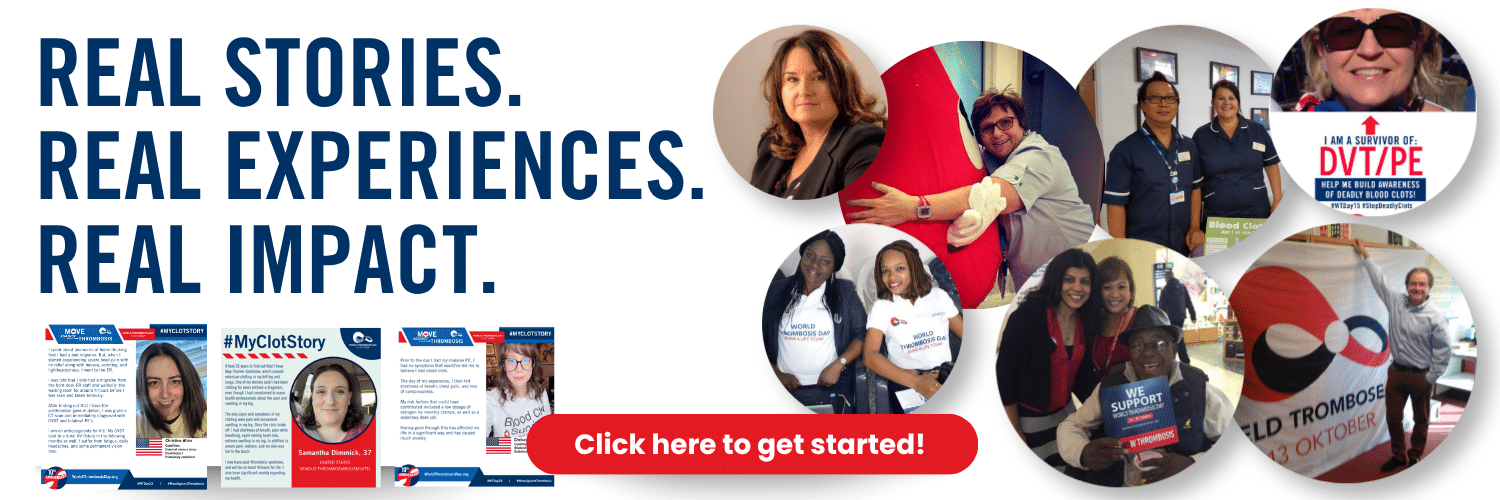
Support For Patients
Feeling empowered can help you recognize and prevent blood clots
Thrombosis support empowers patients to play a pivotal role in recognizing and preventing blood clots, a thrombosis risk that exists across all healthcare settings. Equip yourself and your advocates with essential knowledge about blood clot risk factors, early warning signs, and symptoms of venous thromboembolism (VTE). This thrombosis prevention guidance provides actionable steps to proactively reduce your likelihood of developing this potentially life-threatening health concern. Through patient education and engagement, you become transformed into a proactive partner in your healthcare journey, enhancing your ability to safeguard your well-being and prevent critical complications. Knowledge empowers prevention, and these patient resources serve as invaluable tools for taking charge of your thrombosis health.
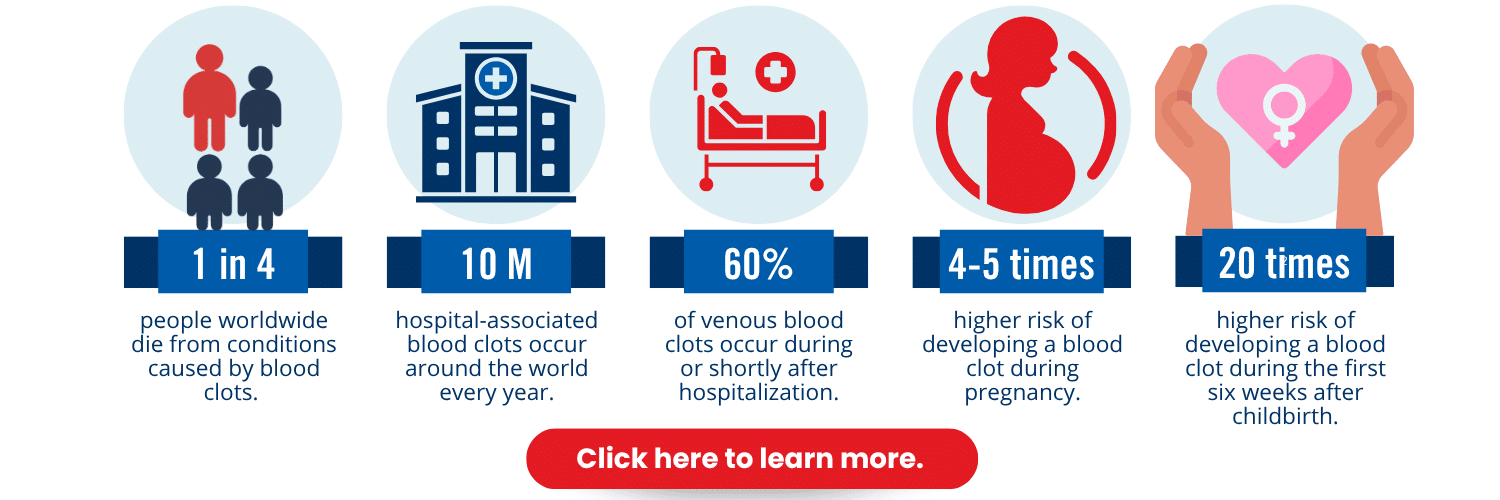
Know the facts about blood clots

Advocating for your own patient safety
You have an important role in your healthcare. Ask questions, share your health history and medications, and speak up if something doesn’t seem right. Being informed and involved can help you receive safer, more coordinated care.
Three ways to advocate for yourself:
-
Ask questions if you don’t understand a diagnosis, treatment or medication.
-
Share your health information, including allergies, medications and history of blood clots.
-
Speak up about concerns and ask who to contact if you notice a change in your condition.
Preparing for your next doctor’s visit
Going to the doctor? A little preparation can help you make the most of your appointment. Bring a list of your medications, note your personal and family history of blood clots, and write down your questions. These simple steps can help ensure important information is shared and your concerns are addressed.
Conviértase en un paciente informado
Becoming an informed patient, especially when dealing with blood clot-related issues, is absolutely crucial. Knowledge is your most powerful tool in understanding the risks, recognizing symptoms, and making informed decisions about your healthcare. When you’re well-informed, you can actively engage with your healthcare providers, ask the right questions, and actively participate in your treatment plan. In the context of blood clots, being informed can mean the difference between early intervention and potentially life-threatening complications. It empowers you to advocate for your health, follow preventive measures, and take control of your well-being. So, embrace the role of an informed patient—it’s your first step towards better health and peace of mind.
Juntos podemos cambiar las cosas
Join us in taking the pledge that could save lives. By signing, you’re asserting your right as a patient to be evaluated for your risk of developing VTE (venous thromboembolism) and committing to advocate for your health. You pledge to actively engage with healthcare professionals to understand your risk and preventive measures. Moreover, you’re promising to educate yourself about the signs and symptoms of DVT or PE (deep vein thrombosis or pulmonary embolism) and, if ever in doubt, seek prompt medical attention. It’s a pledge that empowers you to be an active participant in your healthcare journey, ensuring your well-being is a top priority. Sign today and make your commitment to better health known.

COVID-19 y trombosis
Conozca las últimas novedades sobre la COVID-19 y la trombosis de los expertos de la campaña.

El cáncer y la trombosis
La campaña del Día Mundial de la Trombosis ofrece recursos sobre diversos tipos de trombosis, así como los signos, síntomas y factores de riesgo. Sea usted paciente, sobreviviente, cuidador o profesional de atención médica, descargue estos materiales y compártalos con su comunidad.
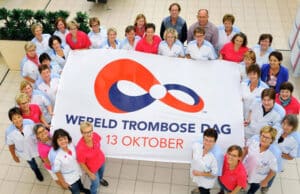
Conozca los signos, síntomas y factores de riesgo de la trombosis
La campaña del Día Mundial de la Trombosis ofrece recursos que abarcan diversos tipos de trombosis, así como los signos, síntomas y factores de riesgo. Sea usted paciente o cuidador, descargue estos materiales y compártalos por todas partes.
Más información sobre la trombosis
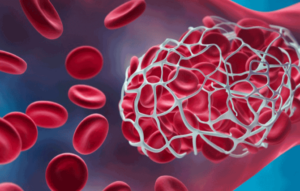


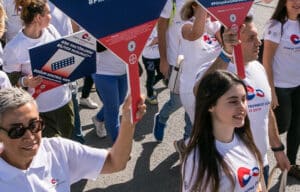
Historias de fortaleza y supervivencia
Los coágulos de sangre afectan a millones de personas de diversas edades, orígenes étnicos y ubicaciones en todo el mundo. El Día Mundial de la Trombosis se enorgullece de compartir estas historias de fortaleza y resiliencia.